Should You Adjust Your Hearing Aid Fit in Hot Weather?
If you’ve walked around Callaway Gardens in the summer, you know

By: admin | January 19, 2026
After 40, most of us start paying closer attention to our health in ways we didn’t before. We schedule regular checkups, monitor our blood pressure and keep an eye on things like cholesterol and vision.
But hearing often gets left off that list, even though it changes with age just like everything else. The reality is that hearing loss can start gradually in your 40s or 50s, often so slowly that you don’t notice it happening.
When you know where your hearing stands, you can make informed choices about protecting it, adjusting your environment or exploring solutions if needed.
Regular hearing tests after 40 give you a baseline and help you catch changes early, when they’re easier to address and before they start affecting the parts of your life that matter most.
Hearing tests are first performed at birth through standard newborn screenings. These early evaluations are important for detecting any hearing differences as soon as possible to support normal speech and language development.
Additional tests often occur during infancy and early childhood during routine pediatric check-ups, ensuring that hearing continues to develop as expected.
As children enter preschool and school age, hearing screenings are commonly done at regular intervals. These tests help track changes and support learning and communication in the classroom.
Adolescents may also receive periodic hearing checks, either at routine health visits or through school-based screenings, to monitor hearing as they grow.
For adults, hearing tests are generally conducted when there is a reason to check hearing or as part of routine health evaluations. After age 40, periodic testing is often recommended to monitor gradual changes that can occur with aging.
Older adults typically have more frequent evaluations to assess age-related hearing changes and maintain communication abilities in daily life.
As we get older, our hearing can change naturally, even without any specific injury or condition. The tiny hair cells in the inner ear that detect sound can gradually become less sensitive over time.
This process can affect the way certain frequencies are perceived, making high-pitched sounds harder to hear than lower ones. These changes often happen slowly and may go unnoticed at first, but they are a normal part of how hearing develops with age.
Age-related changes in hearing can also affect how the brain processes sound. Even if the ears are picking up noise, it can take more effort for the brain to separate speech from background sounds. This means that listening in busy or noisy environments can feel more challenging, even though the change is a natural part of aging rather than a sudden problem.
In addition, natural hearing changes can influence the way people interact in daily life. Conversations may require more focus, and subtle sounds or background cues might not be perceived the way they once were.
These changes are gradual and vary from person to person, reflecting how individual hearing develops differently as part of the aging process.
Once you reach 40, shifts in hearing can happen slowly and may not be obvious right away. Everyday sounds like conversations in busy places or the ring of a phone might seem less clear. These changes are a common part of getting older.
Hearing health is closely tied to how you connect with others. Unchecked hearing loss can affect relationships and make social situations less enjoyable.
Some reasons hearing health becomes more important after 40 include age-related changes in the ear that make certain sounds harder to hear, a greater chance of feeling lonely if hearing loss goes unaddressed and the benefits of managing communication challenges early.
Hearing changes can happen slowly, and sometimes the people around you notice them before you do. Paying attention to how conversations feel and the effort it takes to follow along can give you a sense of when a hearing test might be helpful. There are certain situations that often point to changes in hearing that are worth paying attention to.
You might want to consider a hearing test if you notice:
Most hearing specialists recommend that adults over 40 have their hearing tested every one to three years. Regular testing can catch changes early, sometimes before you even notice them in daily life.
Sticking to a schedule for hearing checks allows you to keep track of your hearing health as you age. Early detection makes it easier to manage any changes, which can help you communicate better and stay socially active.
Knowing how often to get tested provides peace of mind and helps prevent small issues from becoming bigger concerns.
Untreated hearing loss can affect your life in ways that go beyond missing sounds. Many people find they feel more isolated or less confident in social situations. Over time, this can lead to feeling left out during conversations or avoiding group activities. Addressing hearing loss early helps support your mental and emotional health by keeping you involved with the people and activities you enjoy.
Hearing loss can develop for a variety of reasons, and understanding these causes helps explain why some people notice changes sooner than others. One of the most common contributors is exposure to loud noise.
Regularly being around high volumes at work, during hobbies or through headphones can gradually damage the delicate structures in the inner ear. Even sounds that are not extreme, when repeated over time, can affect hearing. Protecting your ears from sustained or sudden loud noise is an important step in maintaining healthy hearing.
Genetics also play a role. If your parents or close relatives have experienced hearing loss, you may be more likely to experience it as well. Inherited factors can influence how your ears respond to aging and environmental exposures.
Knowing your family history does not determine your future hearing but provides insight into your potential risk and helps you stay attentive to changes over time.
Health conditions can have an impact on hearing. Conditions such as diabetes, high blood pressure and heart disease can affect blood flow to the ears, making it harder for them to function properly.
Over time, these conditions may contribute to gradual hearing decline, showing the connection between overall health and ear function.
Certain medications can influence hearing as well. Some antibiotics, chemotherapy treatments and medications for heart conditions can affect the inner ear over time. Being aware of potential side effects and discussing concerns with your healthcare team can help you protect your hearing while still addressing other health needs.
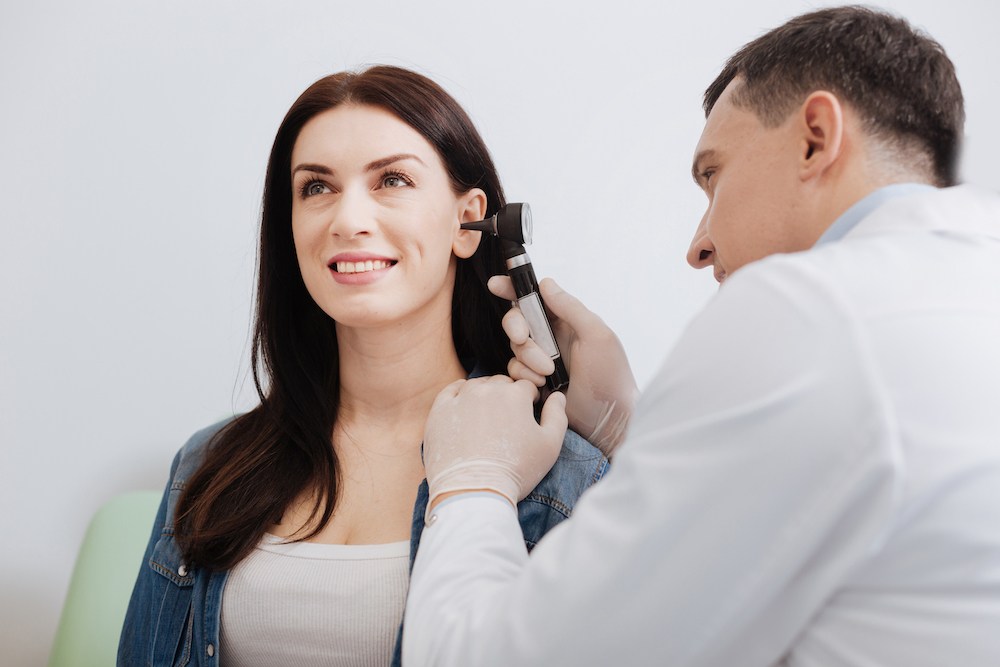
A typical hearing appointment with a hearing specialist begins with a conversation about your hearing experiences.
You may be asked questions about any changes you have noticed, how your hearing affects daily life and any history of hearing concerns in your family. This discussion helps the specialist understand your needs and focus the appointment on areas that matter most to you.
After the initial conversation, the professional will perform a series of hearing tests to evaluate how your ears are functioning. These tests can include:
Understanding the results from your first hearing test can seem confusing at first. The report may include terms and numbers that are new to you.
Most tests measure how well you hear different pitches and volumes, displaying the results on a chart called an audiogram. This chart helps our team explain which sounds are hardest for you to hear and whether your hearing falls within the normal range or shows signs of hearing loss.
If the technical language feels overwhelming, ask our team to explain each part in simple terms. This makes it easier for you to understand your current hearing health and what steps may be helpful next.
Supporting your hearing starts with simple habits and continues with paying attention to how your ears respond over time.
Protecting your ears from unnecessary strain reduces stress on your hearing, while noticing changes early allows you to respond quickly if something feels different. Together, these steps create a practical approach to caring for your hearing.
You can incorporate these habits into daily life:
Keeping brief notes about your experiences makes patterns easier to recognize. Sharing these observations during an appointment helps the professional understand your situation and provide the right guidance.
Taking time to focus on your hearing is just as important as any other part of your health. Paying attention to changes, protecting your ears from excessive noise and staying aware of how well you hear in daily situations can make a difference over time.
Small steps, like turning down volume, giving your ears quiet breaks and noticing moments where hearing feels challenging, help you stay proactive and confident about your hearing health.
If you are ready to check in on your hearing, scheduling an appointment is a simple way to start. We can help you understand where your hearing stands and provide guidance tailored to your needs.
You can reach Belcher Hearing Aid Service in Columbus, GA at (706) 405-4655 or our LaGrange hearing clinic at (706) 407-4003 to set up a visit and take the first step toward maintaining your hearing for years to come.
Tags: audiogram, how-to guides, tympanometry
If you’ve walked around Callaway Gardens in the summer, you know
By: admin | August 24, 2026
There’s a moment every spring in west Georgia when the weather
By: admin | June 25, 2026
After 40, most of us start paying closer attention to our health in ways
By: admin | January 19, 2026