Should You Adjust Your Hearing Aid Fit in Hot Weather?
If you’ve walked around Callaway Gardens in the summer, you know
By: admin | August 24, 2026
If you’ve walked around Callaway Gardens in the summer, you know Georgia heat doesn’t mess around in August.
Add in the humidity that’s been sitting over LaGrange and Columbus for weeks and you’ve got sweat showing up in places you wouldn’t expect, behind your ears included. If your hearing aids have felt looser, itchier or just off lately, you’re not imagining it. Heat and moisture change how devices sit and feel, even when the devices themselves are fine.
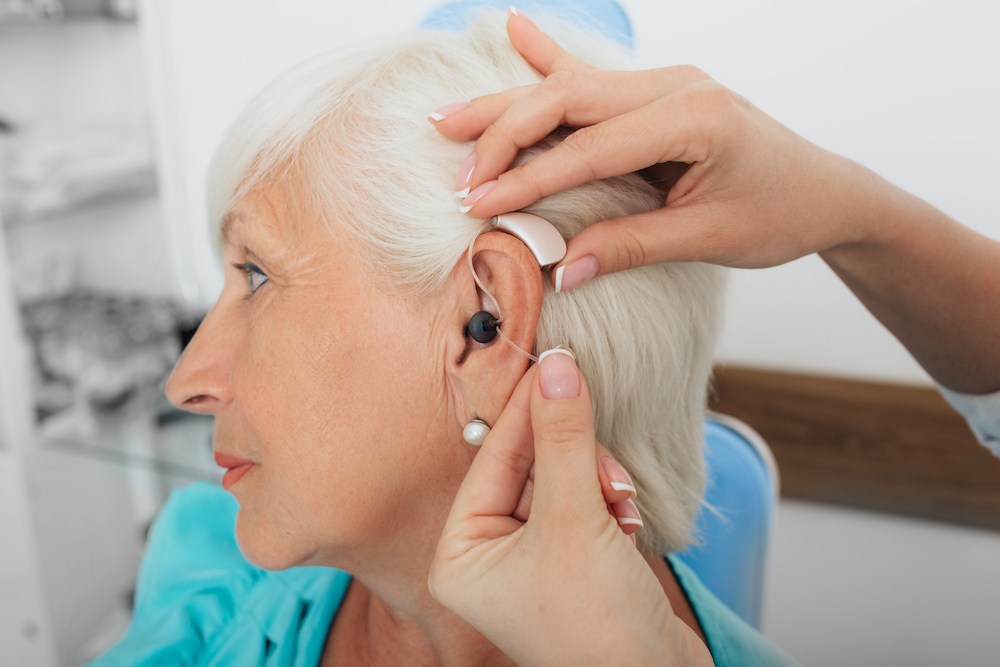
A fit that felt perfect back in the spring can feel totally different by the time August humidity peaks. Sweat can make certain materials swell a little or turn tacky against your skin.
Some people notice more slipping during anything active outdoors, especially with behind-the-ear styles. Your hearing aids probably don’t need replacing, they just might need a second look before summer’s done.
Hot weather can actually change the soft tissue around your ears for a bit. Your body pushes more blood toward the skin to cool off, and that extra circulation can leave your outer ear a little swollen or more sensitive than usual.
Even a small amount of swelling can matter when a hearing aid already fits closely against the ear. A dome, earmold or behind-the-ear component may press differently once the surrounding tissue becomes puffy.
That can create new pressure points or make a familiar fit feel unexpectedly snug.
Humidity adds another layer by keeping the skin damp for longer periods. Moist skin can feel softer and more sensitive, while perspiration may change how the device grips the ear. Together, heat and humidity can make a hearing aid feel tighter in one area and less secure in another.
Seasonal changes should not leave you constantly adjusting your hearing aids. Ongoing discomfort or movement may mean the fit needs attention. Certain symptoms can also show where the problem is developing:
Sweat can affect more than how a hearing aid sits against the ear. Moisture may reach small microphone or receiver openings and interfere with sound. This can make audio seem weak, muffled or inconsistent.
Repeated exposure to sweat can also affect batteries and internal electronic parts. Heat may harden, warp or weaken plastic, silicone and rubber components. Keeping hearing aids dry and away from hot vehicles or direct sunlight can help protect their condition.
Heat doesn’t just make you sweat more, it can ramp up earwax production too, and change how thick or thin it is. That softer wax tends to travel farther into your ear canal, where it can build up right around your hearing aid.
Once that happens, the device can start feeling tighter or looser than it should, even though nothing about the hearing aid itself has changed.
Wax buildup can also clog the tiny sound openings on your device, which is usually why things start sounding muffled out of nowhere. If your hearing aid suddenly feels off or sound seems duller than usual, wax is a pretty likely culprit.
Keeping up with regular ear and device cleaning goes a long way toward keeping both your fit and your sound where they should be.
Heat and humidity can drain hearing aid batteries faster and make power less reliable overall. Moisture can also creep into the battery compartment and mess with the electrical contacts. A few things tend to cause this:
A little daily upkeep can keep your hearing aids more secure through the hottest months. Wipe around your ears after a workout or time outside, and dry off any sweat before putting your devices back in.
A sweatband or headband can also help keep moisture from reaching the ears during physical activity. At the end of the day, check the hearing aids for visible dampness before storing them.
Wipe the exterior with a soft, dry cloth and allow the devices to dry fully overnight. Remove hearing aids before swimming or showering and wait until the ears are dry before putting them back in.
Sunscreen, insect repellent and other summer products can collect on the skin around your ears. Residue may make hearing aids feel slippery or create a tacky surface against the device. Some products can also leave buildup on domes, earmolds or outer casings.
Apply these products before putting your hearing aids in whenever possible. Give your skin time to dry, then wipe away any excess near the ears. This can reduce residue without adding another source of moisture around the device.
Walking, yard work, golf and other summer activities create more movement around the ears than everyday indoor routines. Repeated head motion can shift a hearing aid slightly, especially when combined with hats, glasses or perspiration. A device may feel secure at first but gradually work its way out of position.
Notice whether the problem happens during certain activities rather than throughout the entire day. That pattern can help separate a general fit issue from movement caused by a specific routine.
Your hearing specialist can use that information when deciding whether a retention adjustment would help.
Sunglasses, hats and visors can create pressure in the same small area where many behind-the-ear hearing aids rest. Thick sunglass arms may press the device closer to the head, while a snug hat can push downward on the tubing or casing. Over several hours, that pressure can move the hearing aid slightly and make it feel less secure.
You may notice the problem only after putting on a certain pair of sunglasses or wearing a particular hat for a while. Try changing the position of the accessory and see whether the hearing aid settles back into place.
If several styles cause the same rubbing or shifting, a hearing specialist can check whether the current fit leaves enough room behind the ear.
Summer buildup can collect quickly on hearing aids, so a consistent cleaning routine matters. Daily care helps remove sweat, skin oils and debris before they interfere with the device. It also gives you a chance to spot buildup before it becomes harder to remove.
Humidity in the Chattahoochee Valley can leave moisture trapped in hearing aid casings long after you come indoors. Surface wiping may remove visible dampness, but moisture can remain in small spaces inside the device.
That lingering moisture can contribute to ongoing performance and comfort problems the next day.
A hearing aid dehumidifier or drying container can help remove moisture while the devices are stored overnight. Some systems use drying capsules, while others use powered drying technology.
Cleaning and drying your hearing aids at home can fix a lot of summer problems, but not everything.
If discomfort, movement or feedback sticks around even after you’ve done the basics, it’s probably time for a real look. Same goes for sore spots that won’t quit or a device that just won’t stay put no matter what you try.
A hearing specialist can see exactly how your hearing aid sits and pinpoint where the fit’s gone wrong. Sometimes it just needs a small tweak. Other times you might need a different dome, earmold or other piece entirely. Either way, fixing the actual problem beats readjusting your hearing aids all day long.
A hearing aid that’s shifting or rubbing wrong isn’t something to just push through until fall. Heat and sweat can change how a device sits, even one that’s fit you fine for months. Our team at Belcher Hearing Aid Service can check things out and address the issue.
We’ll figure out if it’s the heat, the fit or just time for something different. Call one of our two hearing clinics in Georgia – Columbus at (706) 405-4655, or in LaGrange at (706) 407-4003 – whenever you’re ready!
If you’ve walked around Callaway Gardens in the summer, you know
By: admin | August 24, 2026
There’s a moment every spring in west Georgia when the weather
By: admin | June 25, 2026
After 40, most of us start paying closer attention to our health in ways
By: admin | January 19, 2026